
For Immediate Release
2 October 2026 | Nairobi, Kenya
A CALL FOR EVIDENCE, LEGAL CLARITY AND HEALTH-SYSTEM ACCOUNTABILITY IN REPRODUCTIVE HEALTHCARE
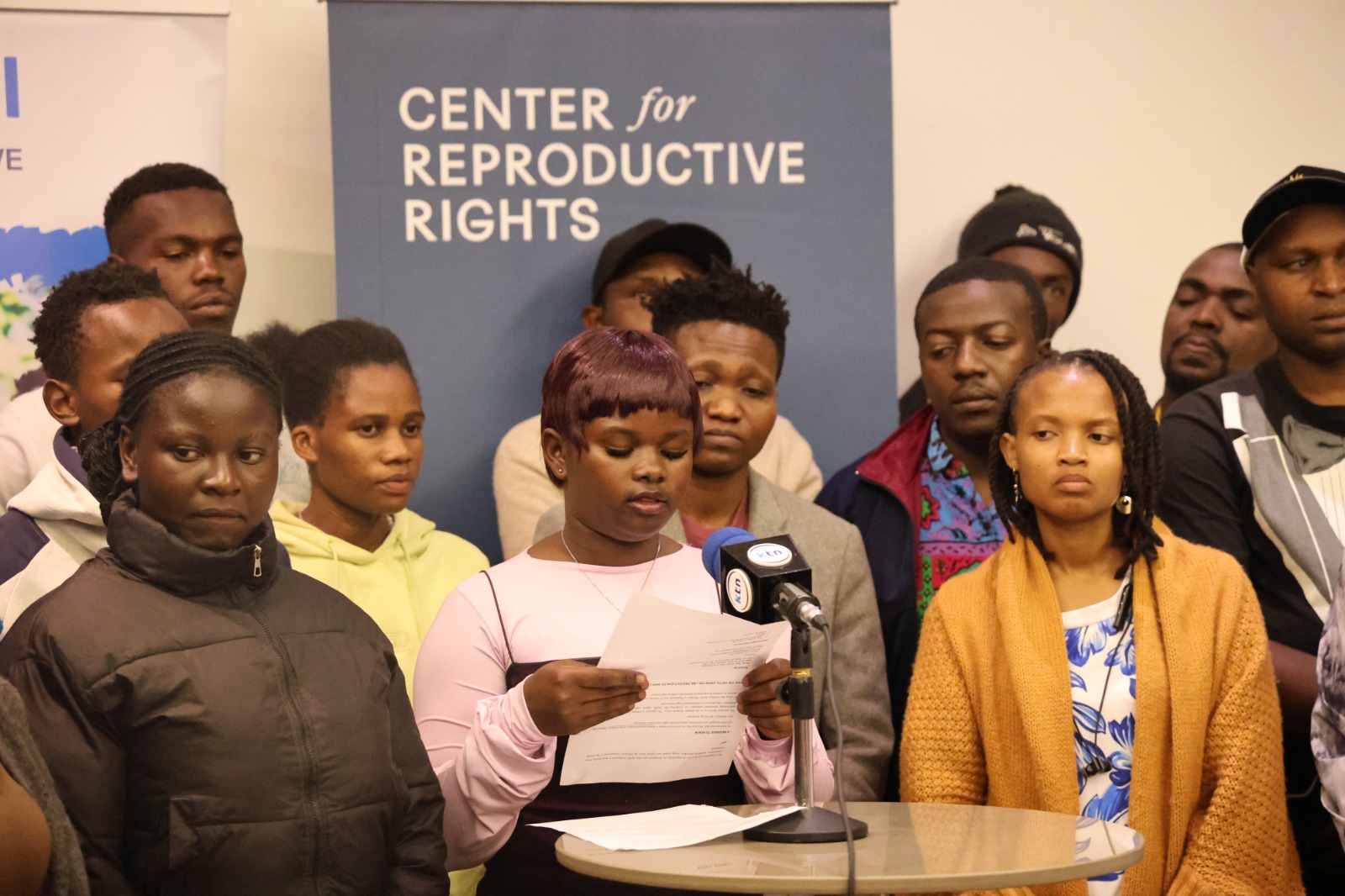
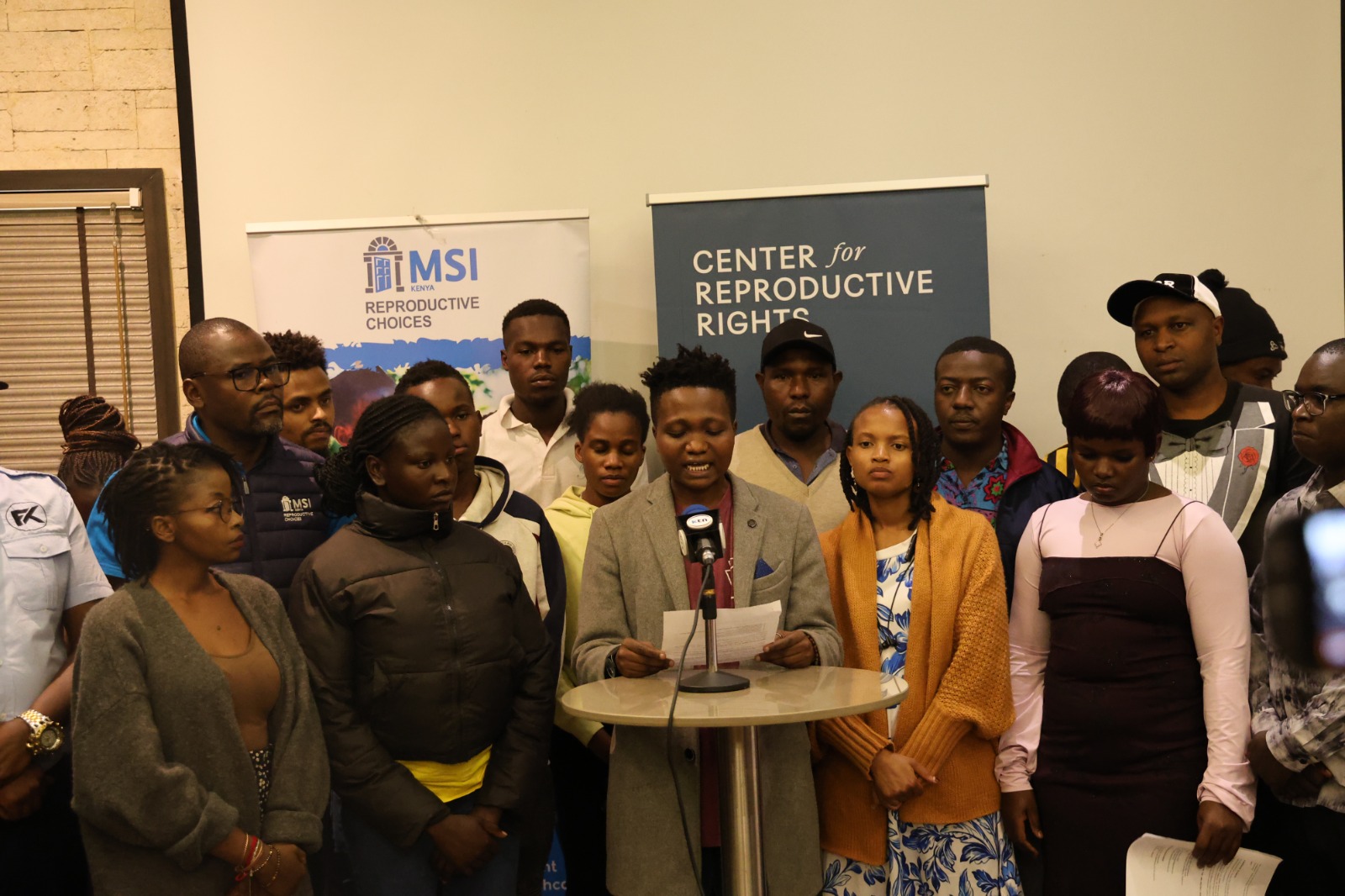
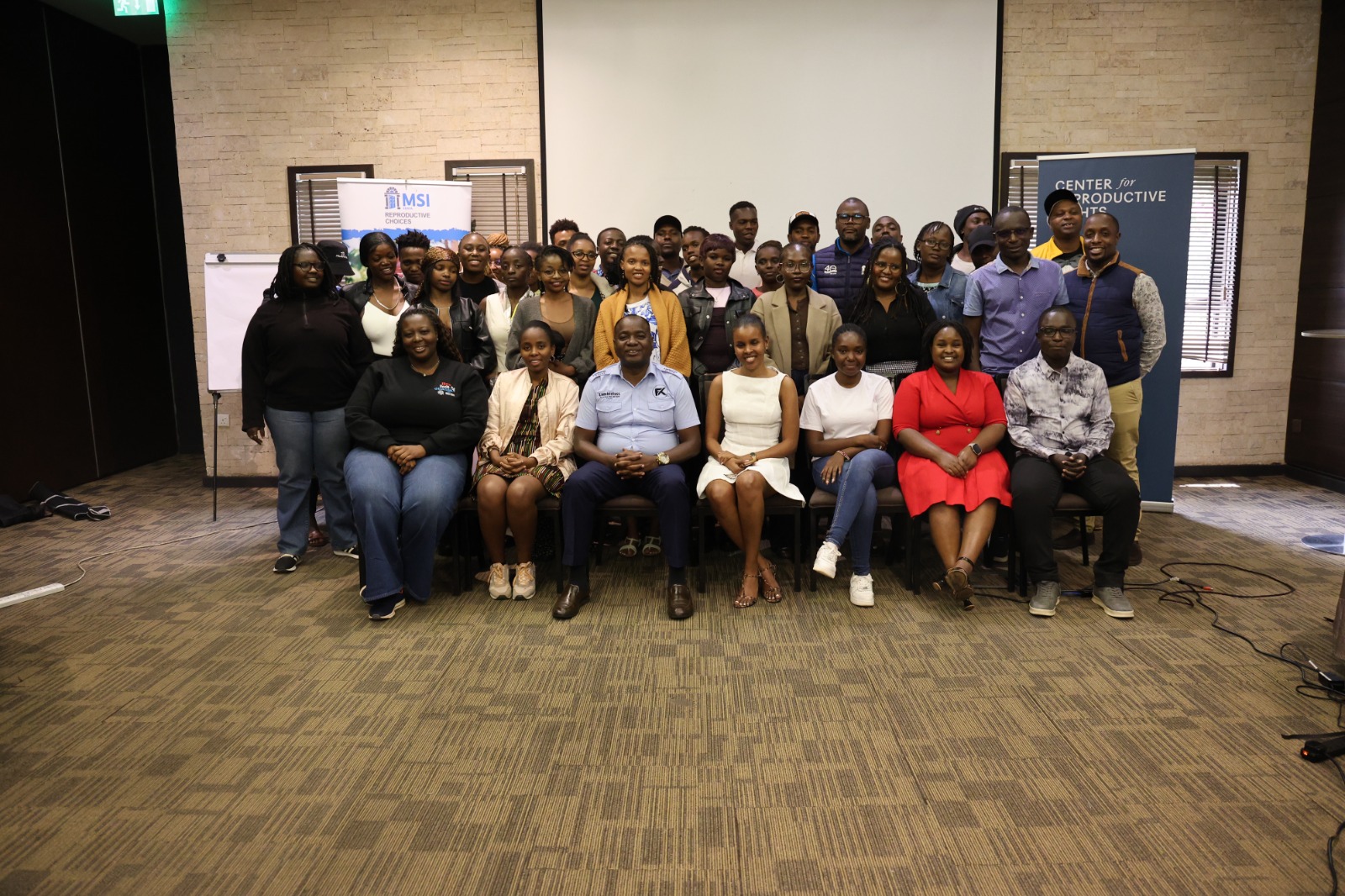
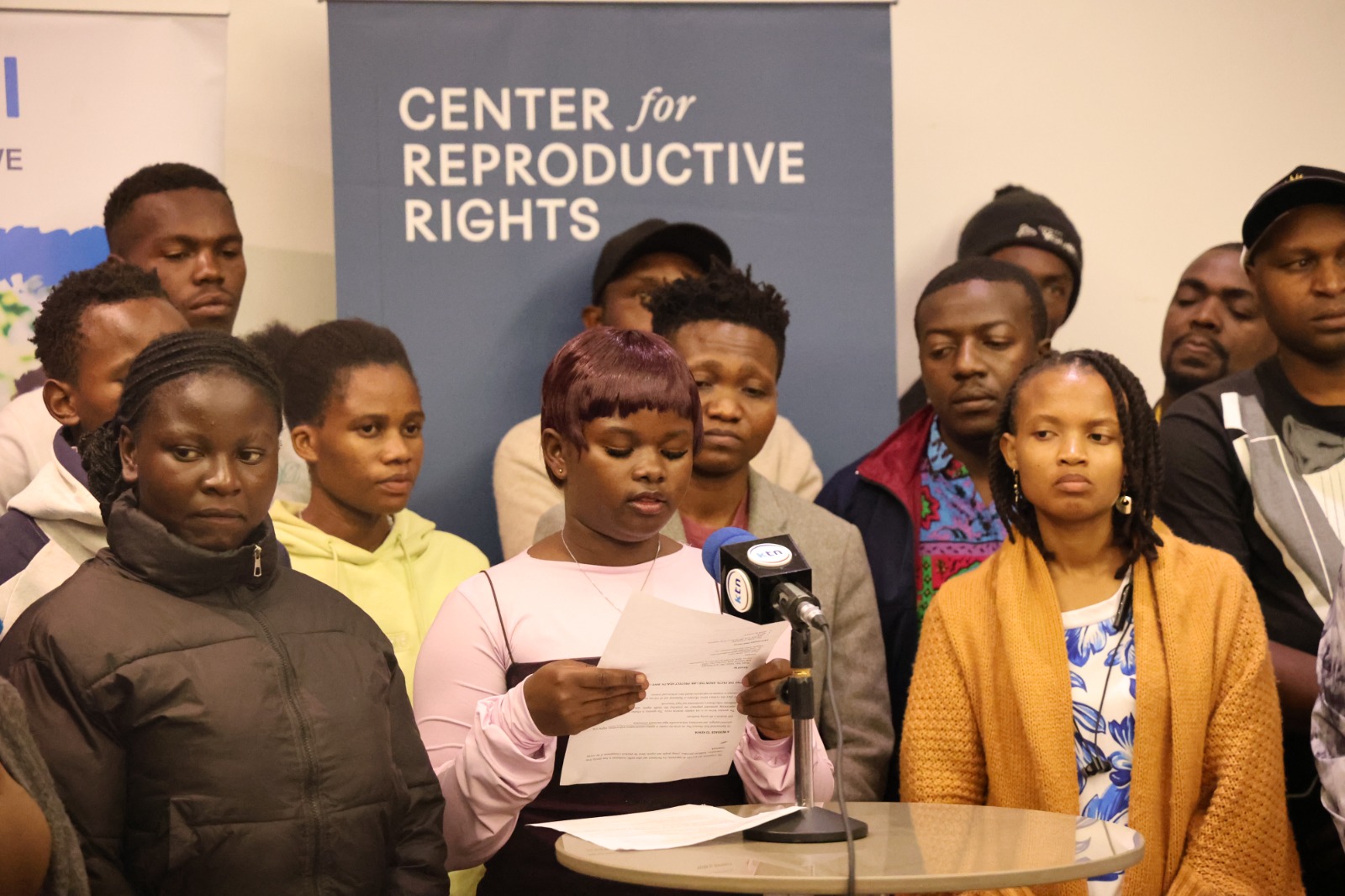
Today, as Kenya joins the global community in commemorating International Safe Abortion Day, Raise Your Voice CBO and partners bring together civil society, healthcare professionals, legal experts, young people, media, policymakers and other stakeholders around one fundamental reality: Abortion is a healthcare reality in Kenya, and the conditions under which people access abortion and post-abortion care have consequences for health, dignity and life.
The 2026 International Safe Abortion Day campaign, under the theme “Safe Abortion is Life-Saving Healthcare,” seeks to move the public conversation beyond stigma, misinformation and polarisation towards evidence, legal literacy, healthcare realities and the lived experiences of women, girls and adolescents.
THE REALITY KENYA CANNOT IGNORE
Kenya's latest national abortion study estimates that approximately 792,694 induced abortions occurred in 2023, alongside approximately 1.44 million unintended pregnancies. These figures demonstrate that abortion is not an abstract or marginal issue; it is part of Kenya's public-health reality.
The evidence further shows that people do not experience this reality equally. Poverty, age, geography, education, stigma, confidentiality concerns and unequal access to healthcare can determine whether a person receives timely information and appropriate care or experiences delay and complications. Adolescents and young people face additional barriers linked to stigma, confidentiality and access to youth-responsive services.
The public-health implications are significant. Unsafe abortion and delays in accessing appropriate care contribute to preventable morbidity and mortality and place additional pressure on already constrained public health facilities.
THE LAW MUST BE UNDERSTOOD CLEARLY.
Kenya's constitutional framework cannot be reduced to the claim that abortion is either “legal” or "illegal".
Article 26(4) of the Constitution provides specific circumstances in which abortion may be permitted, including where, in the opinion of a trained health professional, there is a need for emergency treatment, the life or health of the mother is in danger, or where abortion is permitted by another written law.
At the same time, Sections 158, 159 and 160 of the Penal Code continue to contain criminal provisions relating to abortion. The interaction between these provisions has generated legal and practical uncertainty for women, girls and healthcare providers.
The changing judicial landscape makes accurate legal literacy even more important. On 24th April 2026, the Court of Appeal decision recognised the circumstances contemplated under Article 26(4), while also holding that abortion is not a fundamental constitutional right. This development has implications for public understanding, healthcare provision and legislative discussion.
Kenyans therefore deserve clear, accessible and authoritative information about what the Constitution, legislation, health policies and courts provide.
HEALTHCARE PROVIDERS ALSO NEED CLARITY.
A healthcare system cannot provide consistent care where providers are uncertain about the legal and policy framework governing that care. We have identified gaps including inconsistent dissemination of policy, inadequate provider guidance, weak referral systems, shortages of reproductive-health commodities and barriers affecting rural and underserved facilities.
There’s a need for strengthened provider training on reproductive health, including the legal and policy framework governing abortion-related care, management of complications and patient-centred care.
Legal clarity is therefore not only a legislative question. It is a patient-safety question and a health-system question.
ADOLESCENTS CANNOT BE LEFT OUT OF THE CONVERSATION.
The Kenya Demographic and Health Survey 2022 indicates that 15% of girls aged 15–19 had begun childbearing. There are several barriers to adolescent access to sexual and reproductive health information and services, including third-party consent requirements.
The issue before policymakers is therefore broader than abortion alone. It includes:
● Access to accurate sexual and reproductive health information;
● Contraception and prevention of unintended pregnancy;
● Confidential and youth-responsive healthcare;
● Protection and support for survivors of sexual violence;
● Timely maternal and reproductive healthcare;
● Post-abortion care; and
● The ability of adolescents to obtain appropriate, time-sensitive healthcare without avoidable barriers.
OUR MESSAGE TO MEMBERS OF PARLIAMENT
As Parliament considers reproductive-health legislation and policy, we respectfully place the following evidence-based issues before Members of Parliament for consideration:
- Constitutional alignment - Consider whether Sections 158, 159 and 160 of the Penal Code are sufficiently aligned with Article 26(4) of the Constitution and whether the current framework provides adequate clarity for patients and healthcare providers.
- The Penal Code (Amendment) Bill, 2026 - Consider the implications of the proposed insertion of Section 160A, which would provide a defence for actions undertaken in accordance with Article 26(4) of the Constitution. This provision is relevant to safeguarding healthcare providers and ensuring that lawful medical practices are not criminalised.
- Adolescents and third-party consent – Consider whether Section 16 of the Children Act, 2022, and the broader policy framework adequately reflect adolescents' constitutional and health needs, particularly in relation to confidential, time-sensitive sexual and reproductive healthcare.
- Post-abortion care – Recognise post-abortion care as an essential component of the healthcare continuum. Article 43(2) protects the right to emergency medical treatment.
- Health-system readiness - Consider the health-system implications of reproductive-health legislation, including provider training, referral systems, commodity availability, implementation guidance and reliable data.
- Public legal literacy - Support clear public information that enables Kenyans to understand the applicable constitutional, statutory, judicial and health-policy framework without misinformation, fear or unnecessary confusion. This is particularly important in an increasingly digital information environment.
THIS IS ABOUT PEOPLE, NOT JUST PROVISIONS.
Behind every statistic is a person. Behind every policy is a healthcare worker trying to provide care. Behind every legal provision is a young woman, an adolescent, a family, a survivor of sexual violence, a healthcare provider or a community navigating the consequences of that framework.
The purpose of today's conversation is therefore not to reduce abortion to a political slogan. It is to ask whether Kenya's laws, policies, health systems and public information are sufficiently clear, evidence-based and responsive to the realities faced by people seeking reproductive healthcare.
OUR COMMITMENT
We remain committed to creating spaces where evidence, law, healthcare expertise and lived experience can inform public dialogue.
We will continue to support legal literacy, responsible media engagement, evidence-based public education and constructive engagement between civil society, healthcare professionals, communities and policymakers.
The symposium also provides an opportunity for Parliament and other public institutions to hear directly from communities, healthcare providers, young people and experts about the practical consequences of the current framework.
A MESSAGE TO KENYA
On International Safe Abortion Day, we invite the country to replace misinformation with evidence, stigma with informed dialogue, and uncertainty with accessible legal and health information.
Safe abortion is life-saving healthcare.
The question before us is not whether abortion exists. The question is whether the systems around people experiencing unintended pregnancy are protecting life, health, dignity, safety and access to appropriate healthcare within Kenya's constitutional and legal framework.
We place this evidence before Members of Parliament and all relevant institutions for consideration as Kenya continues to examine its reproductive-health laws, policies and systems.
FIND THE FACTS. KNOW THE LAW. PROTECT HEALTH. SAVE LIVES.
Issued by:
Raise Your Voice CBO and Partners International Safe Abortion Day 2026
Theme: Safe Abortion is Life-Saving Healthcare
Contact:
Raise Your Voice CBO
Email: raiseyourvoicecbo@gmail.com
Tel: +254 111 899 822
Website: www.raiseyourvoicecbo.org
ENDORSING PARTNERS
- The LEGAL CARAVAN
- CENTER FOR REPRODUCTIVE RIGHTS
- KELIN
- SRHR ALLIANCE
- MSI KENYA
- IPAS AFRICA ALLIANCE
- THE REPRODUCTIVE HEALTH NETWORK KENYA (RHNK)
- NETWORK FOR ADOLESCENT AND YOUTH OF AFRICA (NAYA)
- RAISE YOUR VOICE CBO