

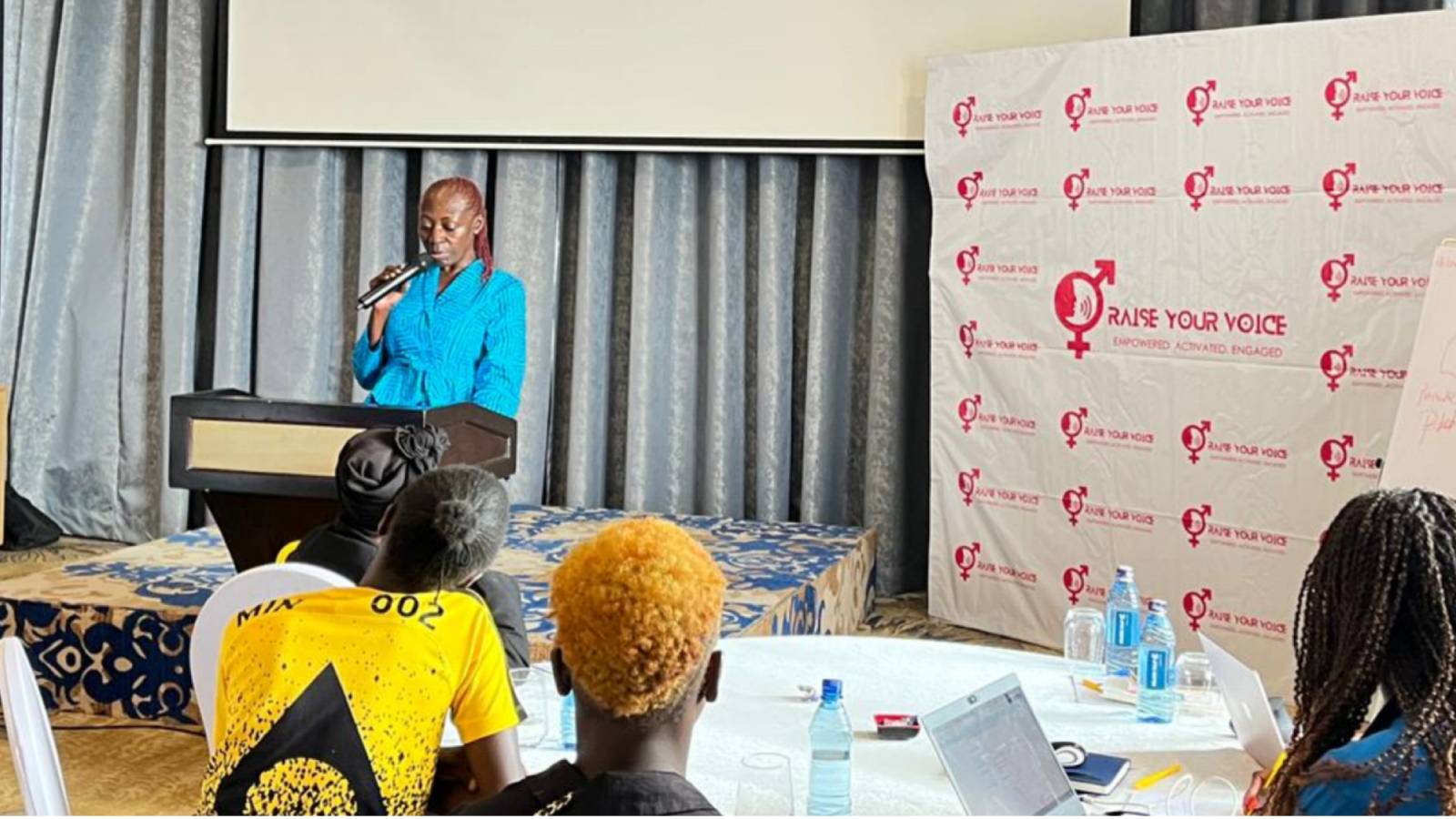


On 24th April 2026, Raise Your Voice, in partnership with KELIN, convened a powerful and timely symposium at the Golden Tulip Hotel in Westlands, bringing together a diverse group of stakeholders to confront the urgent realities of reproductive health in Kenya. Titled “Finding Common Ground: Advancing Reproductive Autonomy in Kenya,” the meeting created a critical space for honest dialogue, shared learning, and collective reflection on one of the country’s most pressing public health and human rights issues.
Across Kenya, reproductive health remains a complex and often contested space. While progress has been made in areas such as maternal health and access to care, abortion continues to sit at the center of legal, social, and policy debates. Recent data highlights the scale of the issue, with hundreds of thousands of induced abortions occurring annually, raising serious concerns about access to safe services, the effectiveness of existing legal frameworks, and the broader implications for women’s health and wellbeing. These realities underscore the need for urgent, coordinated action that moves beyond debate and into practical solutions.
The symposium opened with a keynote address by Hon. Ambala, who delivered a clear and urgent message on the state of reproductive health in the country. The address underscored that unsafe abortion remains a leading cause of maternal deaths, with thousands of women losing their lives each year and many more suffering preventable complications. Framing the issue not only as a public health crisis but also as a matter of rights, dignity, and equitable access to care, the keynote called for a decisive shift from policy discussions to concrete, measurable action.
Central to the day’s discussions was a dynamic panel featuring Mickreen Adhiambo, Derrick Kimani, Sylvia Okonofua, Nicholas Kirimi, and Maureen Jumah. The panelists led a candid, cross-sector conversation that moved beyond theory, grounding the dialogue in lived realities and firsthand experiences. Their contributions brought to light the human stories behind the statistics, illustrating how gaps in access, information, and services continue to shape the everyday experiences of women and girls across the country.
A key area of focus was Article 26(4) of the Constitution and the ongoing ambiguity surrounding its interpretation and implementation. Panelists examined how restricted access to safe abortion services intersects with public health outcomes and human rights, emphasizing that limitations within the current framework often deepen inequality. Vulnerable groups, including adolescents, low-income women, and survivors of sexual violence, were identified as being disproportionately affected, facing compounded barriers that limit their ability to access safe, timely, and dignified care.
Throughout the symposium, several critical themes emerged. There was strong consensus on the need to strengthen health systems, particularly by expanding access to contraceptives and family planning services as a preventive measure. Participants emphasized the importance of clarifying and harmonizing legal and policy frameworks to eliminate confusion among both providers and the public. Equally important was the call for greater accountability in resource allocation and implementation, ensuring that investments in reproductive health translate into real, tangible outcomes on the ground.
The discussions also highlighted the essential role of public engagement in driving change. Participants explored how communities can actively hold duty bearers accountable, advocating for transparency, responsiveness, and sustained commitment to reproductive health rights. A recurring message throughout the day was that lived experiences must remain at the center of policy conversations, as they provide the clearest insight into what is working, what is failing, and what must change.
As the symposium came to a close, there was a shared recognition that advancing reproductive autonomy in Kenya will require sustained collaboration across sectors, clear and actionable strategies, and leadership that is both accountable and responsive to the needs of the most vulnerable. The conversations held in Westlands marked an important step forward, but they also reinforced the urgency of continued action.
Protecting the lives, health, and dignity of women and girls demands more than dialogue. It calls for commitment, coordination, and the courage to confront difficult realities head-on. Through initiatives like this symposium, Raise Your Voice and KELIN are helping to shape a future where reproductive health rights are not only recognized, but fully realized for all.